


- Home
- >
- About
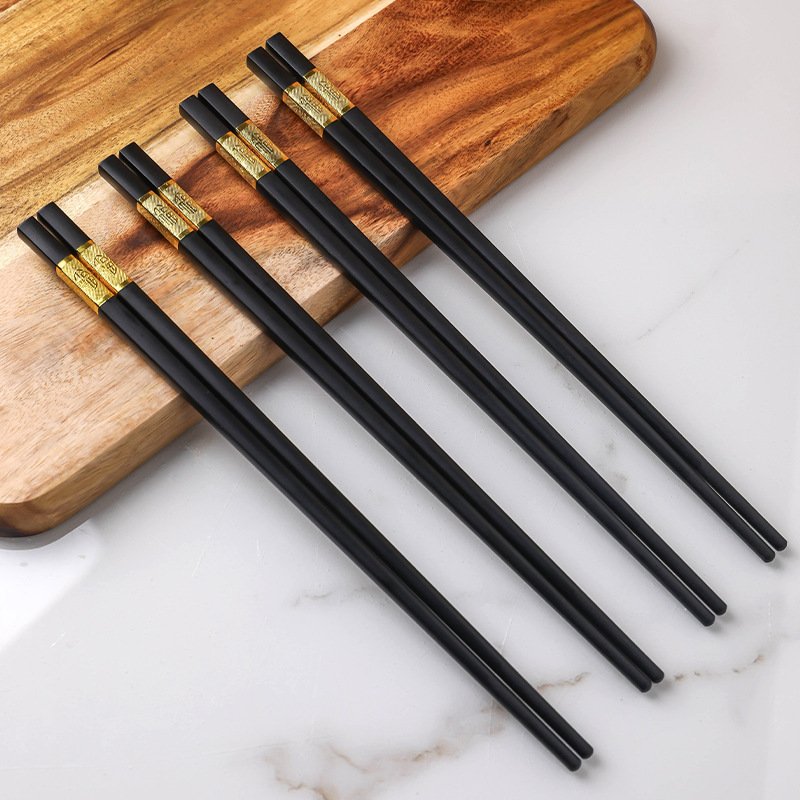
People often ask me, In an era dominated by disposable cutlery and industrial assembly lines, why are you so obsessed with making chopsticks? The answer lies in a seemingly insignificant moment. Years ago, while studying abroad, I picked up a pair of cheap, disposable chopsticks at an Asian restaurant.A splinter pricked my finger, the harsh chemical bleach stung my nose, and when I triedpick up a piece of tofu, it slipped from the rough tips. In that moment, it hit me: we were losing the most basic respect for the act of eating. Chopsticks are the first point of contact between Easterners and their food. They should never be a cheap, disposable commodity, nor an excuse to settle for a careless life. So, I decided to return home and create Roota brand. I wanted to craft a pair of chopsticks that truly understand food. In search of the perfect material, I traveled deep into the mountains, ultimately selecting e.g., Ebony Wenge wood for its resilience and delicate grain. We abandoned the coldness of mass production, insisting on the warmth of hand-finishing. Every pair goes through dozens of meticulous steps, all to ensure that when it rests in your hand, it offers the perfect curve and a smooth, natural touch. We aren't just manufacturing a product; we are reclaiming a forgotten philosophy of living. Why do we make chopsticks? Because life deserves to be treated with gentleness.
Consultation